


Views: 99 Author: Site Editor Publish Time: 2025-12-29 Origin: Site


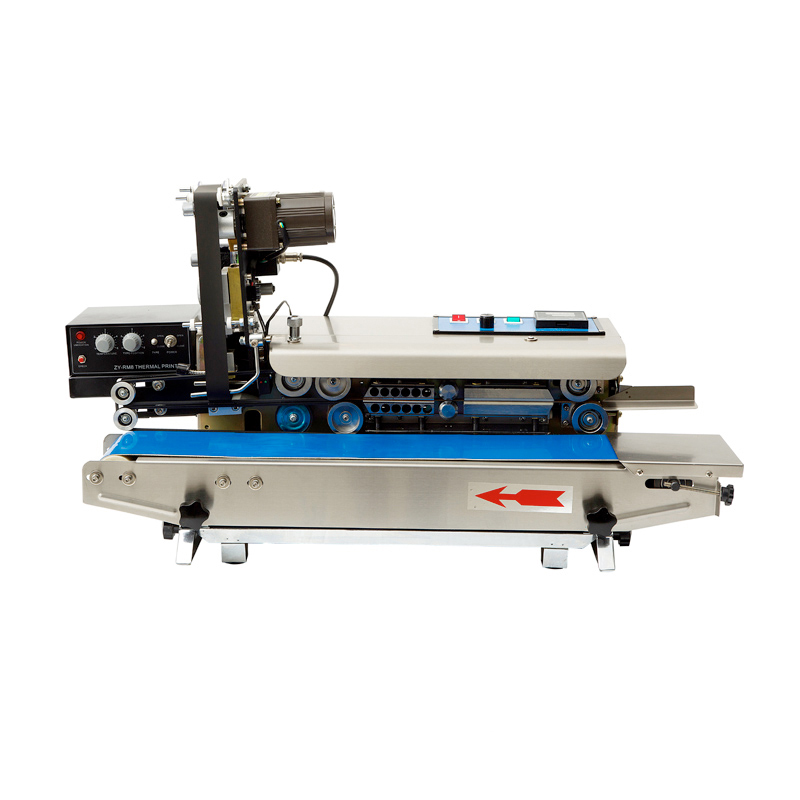
Smart automatic packing machines change how you pack things at work. These machines help you do more work in less time. They can pack hundreds of items every hour. They help your business grow with smart packaging ideas. You spend less money because you need fewer workers and waste less product. New sealing ways make things cleaner and safer. Look at how the market is getting bigger:
Year | Market Size (USD Billion) | CAGR (%) |
|---|---|---|
2024 | 74.2 | N/A |
2032 | 136.7 | 8.2 |
You get a smart way to make things faster and meet rules with good results.
Efficiency: Machines help you make more and stop less.
Scalability: You can grow your business easily.
Cost Savings: You spend less and make fewer errors.
Hygiene: Food and healthcare items stay safer.
Smart automatic packing machines help pack more items faster. This makes work more efficient for businesses. Automation lowers labor costs and cuts down on mistakes. This helps companies save a lot of money. Advanced sensors and robotics make sure packaging is high quality. They also help keep things safe and clean. Smart machines have flexible and scalable designs. They can work with many different products. This is good for businesses that are growing. Real-time data and predictive tools spot problems fast. This helps the whole operation work better.
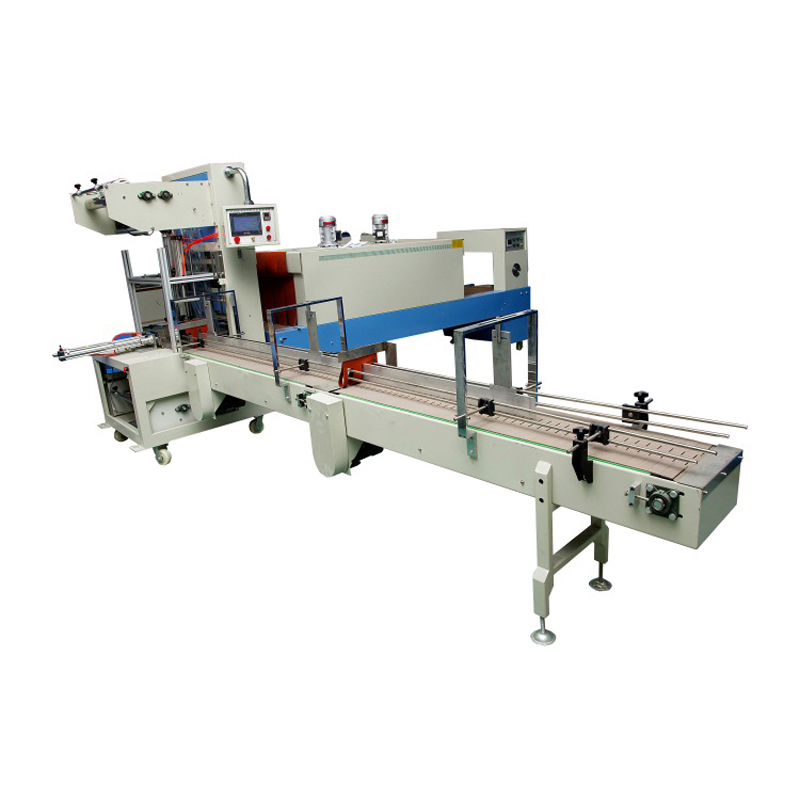
Packaging has changed a lot over time. Long ago, people wrapped things by hand. Machines helped some, but many workers were still needed. Later, automated packaging systems started to show up. These systems made work faster and more steady. Here is a timeline that shows the big changes:
Early Era (1800s–1950s): People used their hands and simple machines. There was not much automation.
Expansion Era (1960s–1990s): Plastic films and semi-automated systems became popular. Production got quicker and easier.
Modern Era (2000s–2015): Servo-driven machines made things more exact. Automated systems could do many jobs at once.
Smart Packaging Era (2015–Present): Now, smart machines use IoT and vision systems. These machines fix themselves and spot mistakes early.
Today, automated packaging systems help you move from hand work to full automation. You can use these systems to work faster and make fewer mistakes. Automation in secondary packaging helps you keep up with orders and stay ahead.
Smart machines have changed how you pack and ship things. Automated machines in secondary packaging wrap, strap, and seal boxes very well. These machines use AI and IoT to check each package as it moves. You get fewer mistakes and better results.
Evidence Description | Key Benefits |
|---|---|
Automated machines in secondary packaging work faster and more accurately. | You get steady quality, spend less, and work better. |
Smart machines use AI and IoT to make processes better in real time. | You work more efficiently and make fewer errors. |
Automated devices wrap and seal boxes the same way every time. | This matters for industries that need high accuracy and rules. |
Automation in secondary packaging also uses cobots. Cobots work with you and learn new jobs fast. Cobots help move boxes, load machines, and check quality. With cobots, your packaging line is safer and can change quickly. Automation lets you grow your business without hiring more people. Cobots help you handle new products and different orders. You get a smarter, quicker, and safer way to pack things.
Smart automatic packing machines use sensors, robots, and software. These tools help you work faster and smarter. You can pack things quickly and with fewer mistakes. The machines work for many products and packaging types.
Smart packing machines have sensors that check each step. Sensors help stop mistakes and keep products safe. Here is a table that shows some sensors and what they do:
Sensor Type | Function |
|---|---|
Level Sensors | Find out how much liquid or product is in the container. This stops too much or too little filling. |
Pressure Sensors | Watch how liquids move to make sure they are given out right. This helps stop leaks. |
Proximity Sensors | See if a container is there. This stops the machine from working when nothing is present. |
Flow Sensors | Check how fast and how much product goes in. This keeps filling the same every time. |
Temperature Sensors | Watch the temperature to keep things just right when filling. |
Sensors give you data right away. Machines can change flow, pressure, or temperature fast. This means you get better results and less waste. Sensors help you use the right amount every time.
Robots are important in these machines. Robots pick up, move, and pack items very well. You see fewer mistakes and more items packed the same way. Robots work all day and night without stopping. This helps you get more done and keeps things running.
Using advanced robots and vision systems can make order speed ten times faster. You also get packing with no mistakes by using barcode scanners and smart cameras.
You can trust these machines to keep products safe and work well.
Smart packing machines use strong software to collect and study data. You can see how your line works right now. The software tracks numbers like how many items you pack, how long machines run, and setup time.
Feature | Description |
|---|---|
Central process values | Important numbers about how things are made. |
Utilization level | Shows how long machines run compared to the shift. |
Output | Counts how much goes in and out. |
Performance level | Checks if you reach your output goals. |
Setup level | Looks at setup time compared to the goal. |
Quality level | Checks quality by counting input and output. |
Efficiency | Shows how well equipment works. |
Secondary process values | Includes numbers for pressure, flow, temperature, and energy use. |
Real-time data availability | Makes sure you can see data right away. |
Real-time data helps you find problems fast and make good choices. Dashboards show what is happening now. You can use this to fix things before they slow you down. Predictive tools help you plan for care and stop running out of supplies.
Real-time data gives you updates on your machines.
Dashboards help you see patterns and make quick choices.
Predictive tools help you stop problems before they start.
This technology helps your line work its best.
You need machines that grow with your business. Smart packing machines have flexible designs and work for many products. You can switch between packaging types with little wait time. You do not need a new machine for every product.
Feature | Description |
|---|---|
Modular Designs | Companies can add or take away parts to fit their needs. This stops spending too much. |
Handling Different Products | Workers can change product lines fast by loading new settings. |
Scalability for All Sizes | Works for small and big businesses, helping them compete. |
You can use these machines for powders, grains, liquids, and more. The technology lets you change settings fast. You save space because one machine does many jobs. You also save money because you do not buy extra machines.
Flexible machines work with different shapes and sizes.
You can change the system to handle new products.
Workers learn faster because they use one system for many jobs.
Modern machines have many features. These include checking quality, cutting waste, and keeping things clean. You get data on how much you make and use, which helps you get better. Many machines now help the planet by using less energy and making less waste.
You can trust smart packing machines to help your business grow and stay ahead.
You want your business to work faster and better. Automated packaging systems help you do this. These machines work quickly and never get tired. You can pack more products in less time. When you use these systems, your whole line moves faster. Machines do jobs like filling, sealing, and labeling with great care. This means you get more done and have fewer slowdowns.
Here is how automated packaging systems help your business:
Evidence Type | Details |
|---|---|
Increased Throughput | Automated packaging systems can increase throughput by up to 30% compared to manual processes. |
Reduced Error Rates | Error rates for automated systems are up to 50% lower than manual handling. |
Labor Cost Reduction | Companies see an average 20% to 30% reduction in labor costs within the first year. |
Fewer Workplace Injuries | Companies with automated lines experience 15% fewer workplace injuries. |
You can see that these systems help you do more work and keep your team safe. Machines do not make as many mistakes as people. You get more products ready and spend less fixing problems. When you use automation, you can handle more orders without hiring more workers. This helps your business grow and stay ahead of others.
You want every package to look the same and be high quality. Automated packaging systems help you do this. Machines use sensors and software to check each step. They fill containers to the right amount, put labels in the right place, and seal packages tightly.
Automated packaging machines can always fill containers to the right level, put on labels correctly, and seal packages well. When you use machines instead of people, you get better accuracy and spend less fixing mistakes, like recalls or fines.
You get these good things from automated packaging systems:
Automated systems check weight, seals, and how things look at the end.
They keep people from touching products too much, so there is less risk of germs.
Each part of the process works together, so you get speed, accuracy, and the same results every time.
All parts of the automated packaging process work together, using sensors, software, and machines to move from one job to the next.
You lower the chance of mistakes and germs. Machines make sure every package is sealed and handled the right way. You can trust your products will meet rules and make customers happy. This level of care helps you avoid big problems and keeps your brand strong.
You want to save money and get the most from what you spend. Automated packaging systems help you do this in many ways. Machines use just the right amount of material, so you waste less. You need fewer workers, so you pay less for labor. Machines also pack products carefully, so there is less waste.
Here is a table that shows how automated packaging systems help your money:
Factor | Description | Impact on ROI |
|---|---|---|
Material usage | Savings on packaging materials with efficient equipment. | Directly reduces costs. |
Labor costs | Reduction in staff hours needed due to automation. | Lowers operational expenses. |
Waste reduction | Decrease in damaged products or wasted materials. | Enhances profitability. |
Implementation costs | Total costs including machinery, installation, and training. | Affects initial investment. |
Payback period | Time taken for the equipment to pay for itself based on annual savings. | Indicates investment viability. |
Long-term value | Equipment lifespan and potential for business growth. | Contributes to overall ROI. |
You can see real results from companies that use these systems:
Customers got their money back in just 24 months.
Saved up to 20 packaging stations.
Cut shipping volume in half by using better box sizes.
Saved 32% on transportation costs.
Spent 30% less on materials.
To find your ROI, use this formula: ROI (%) = (Total Savings - Total Costs) / Total Costs x 100%. This shows how much you gain from using automated packaging systems.
Packaging automation also helps your business grow. You can make more products without paying more workers. Automated systems do the same jobs over and over and stop delays. You get more products and waste less. This means you can handle more orders and keep costs low. Automation lets you change for new products and new markets.
You get more than just saving money. You get better accuracy, higher quality, and more work done. Automated packaging systems give you strong solutions that help your business do well.
You want your team to be safe at work. Smart packing machines help keep workers safe. These machines do jobs that can hurt people if done too much. Using machines means fewer injuries like sore wrists or backs. The workplace becomes healthier for everyone.
Doing the same job over and over can hurt workers.
Automation helps stop these injuries from happening.
Safety and hygiene get better, especially in food factories, because people touch products less.
Machines help protect workers from getting hurt at work.
It is important to keep products clean and safe. Smart packing machines help you do this. These machines are made to keep out germs and dirt. They use special parts and materials to stay clean.
Aspect | Description |
|---|---|
Closed Systems | These systems block dust and germs by keeping out air and hands. |
Material Selection | Machines use stainless steel and other easy-to-clean materials that do not rust. |
Clean-In-Place Systems | Machines clean themselves without being taken apart, saving time and keeping things clean. |
Standardization of Process | Automation makes every package the same, so there are fewer mistakes and rules are followed. |
You can trust these machines to keep products safe. Automation means the same steps are followed each time. This lowers mistakes and helps meet safety rules.
There are strict rules for food and medicine packaging. Smart packing machines help you follow these rules. They make sure each package is safe, clean, and easy to track.
Requirement Type | Description |
|---|---|
Regulatory Mandates | Laws like the DSCSA say you must track and trace products. |
Good Manufacturing Practices (GMP) | GMP rules help stop contamination, as required by the FDA and EMA. |
ISO Standards | ISO 15378 gives rules for safe and traceable packaging materials. |
Serialization Requirements | The EU and US need serialization to stop fake drugs and track products in the supply chain. |
You can count on machines to help you follow these rules. They make packaging safer, cleaner, and more dependable.
Automated machines are used a lot in food packaging. They help pack snacks, drinks, and sausages fast and safely. Many companies use sausage loading systems to handle lots of food. These sausage loaders fill and seal packs without people touching them. This keeps food clean and fresh. Meat plants use these systems to load, line up, and pack sausages quickly. Companies like Rapunzel use special storage systems to work faster in their warehouses. Coca Cola uses a shuttle system to move drinks quickly. Nestle has a digital center with machines that stack pallets to meet demand. These machines make food packaging safer and more trustworthy.
Packing is faster and there is less waste.
Sausage loading systems keep food safe.
Sausage loaders help you follow hygiene rules.
Automated machines are important in medicine and healthcare. You must follow strict safety and tracking rules. These systems use sensors and cameras to help you do this. Some companies use sausage loading systems for medical nutrition products. These systems seal and label each package correctly. Top makers like Delkor Systems and Hopak Machinery build machines that meet world standards. Here is how these systems help:
Advantage | Description |
|---|---|
Proven Expertise | More than 2,000 systems in 29 countries. |
Innovation on Demand | Research for sensors, encryption, and camera checks. |
Global Standards Compliance | Follows DSCSA, EU FMD, and other rules. |
Scalable Automation | Modular design makes it easy to grow. |
High-Speed Throughput | Camera checks over 1,000 feet per minute. |
Active Packaging | Gives smart and safe packaging every time. |
You make fewer mistakes and keep quality high. Machines record each step so you can track every package. This helps stop fake products and recall items quickly if needed.
Automated machines help with online orders. Speed and accuracy are very important. These systems pick, pack, and label items much faster than people. You save money on workers and make fewer mistakes. These machines help you handle busy times better. Here is what you get:
Impact Area | Description |
|---|---|
Speed and Efficiency | Machines pick and pack faster than people. |
Labor Cost Reduction | You spend less on manual work. |
Error Minimization | Fewer mistakes mean happier customers. |
Cost Savings | Less waste and better shipping save money. |
Scalability | You can handle more orders as your business grows. |
Automated packaging lines help you meet deadlines and keep customers happy. You also get better data to help you make smart choices.
Adding new machines to your packaging line can be tough. Old equipment may not work well with new automation. This can cause problems and slow down your work. Many factories use older systems, so new technology is hard to add. You need all control systems and software to work together. If you skip regular maintenance, machines might break when you need them.
New machines can mess up your workflow with old systems.
You need to match control systems for smooth work.
Old equipment makes adding new machines harder.
Maintenance helps stop sudden machine breakdowns.
You can fix these problems by picking modular solutions. Check your packing process before you add new machines. This helps you find trouble spots early.
Moving to automation means your team must learn new things. Workers need training to run and fix automated machines. Some companies give workers new jobs that are more important. Regular training and support help your staff keep up with changes.
Training teaches workers to use and fix new machines.
Giving staff new roles helps your business grow.
Support and updates keep machines working well.
You can make change easier with clear training and good talks. When your team feels ready, they adjust faster to automation.
Buying automation can cost a lot at first. Prices for materials and labor keep going up. You may worry about spending too much or not having enough supplies. Small companies find expensive machines hard to buy. Keeping inventory balanced and risks low is hard.
High costs can make you wait to buy new machines.
Inflation makes materials and labor cost more.
Keeping inventory low and costs down is tough.
You can get your money back faster by picking the right technology. Use data to track savings and find problems early. Modular machines let you start small and grow later. Good help from suppliers lets you get the most from automation.
AI-driven smart packaging systems will change how you work. These systems use artificial intelligence from design to inspection.
AI will be used in every part of packaging, from the first design to the last check. It helps make things faster and keeps quality high.
You can use AI to make new designs and find problems. AI can also write words for your packages. Machines with AI guess how strong materials are and how much they cost. This helps you waste less. Digital twins let you test designs before making them. AI helps move products safely and quickly. You can save up to 40% compared to doing it by hand.
AI helps you choose the best design.
AI-powered machines find mistakes before customers see them.
AI helps you make lighter packages and waste less.
You can connect machines with IoT to make packaging smarter. IoT gives you data right away, so you can fix problems fast.
Real-time checks help you spot mistakes quickly.
You can track shipments and keep products safe.
IoT helps you use less energy by finding better ways to run machines.
IoT makes packaging more reliable and helps you save money.
Cobots work with you on the packaging line. You can use cobots to pack, move, and check products. Cobots learn from you and change for new jobs. They use sensors to keep you safe and handle many product types.
Aspect | Description |
|---|---|
Efficiency | Cobots make packing faster and smoother. |
Safety | Cobots work safely with people and lower injuries. |
Adaptability | Cobots switch jobs and handle many products. |
Real-time Data Analytics | Cobots use data to change how they pack. |
User-friendly Programming | You can teach cobots new jobs easily. |
Cobots do boring jobs, so you can do harder work.
Cobots use sensors to pack each item the right way.
Cobots help you keep up when things change.
You can use automation to help the planet. Machines now work with many green materials. Sensors watch how much energy and material you use. You can teach your team to use new, eco-friendly materials.
Flexible automation lets you use recycled or compostable packaging.
Sensors help you use less energy and waste less.
You can use AI and blockchain to track your impact and make things better.
New automated packaging solutions help you reach your green goals. You make your business better for the future.
You need to know what your business requires before you bring in new machines. Start by looking at your current packaging process. Find out where things slow down or go wrong. Check if your products get damaged often. If you see many mistakes, automation can help you fix them. Look at how fast you pack during busy times. If you cannot keep up, you may need more help from machines.
Here are steps you can follow:
Review your packaging process for slow spots.
Check your product size and shape.
Notice if products break often.
Look for uneven quality in your packages.
See if you pack too slowly when you get many orders.
Find jobs that take a lot of time and effort.
Watch for wasted materials.
Think about products that need careful handling.
Check if your space is used well.
Ask if you can grow your business with your current setup.
You want the best machines for your needs. Look for companies that have a good history with automation. Ask about their support and training. Make sure their machines work with your current setup. You should see if they offer cobot solutions. Cobots can work with people and make your line safer. Ask for examples of how their cobot systems help other businesses. You can also check if their machines can change for new products. Good providers will show you how cobot technology can fit your goals.
What to Ask | Why It Matters |
|---|---|
Do you offer cobot solutions? | Cobots help with safety and flexibility. |
Can your machines handle my products? | You need machines that fit your needs. |
What support do you give? | Good support helps you use machines well. |
Can your cobot systems grow with my business? | You want to add more cobots as you grow. |
You must help your team get ready for new machines. Start by telling them why you need automation. Give training on how to use cobot systems. Show how cobots make work safer and easier. Let workers ask questions and share ideas. You can set up small teams to test cobot machines first. Give feedback and support as they learn. When you plan well, your team will feel ready for change. Cobots can help everyone work better together.
Tip: Involve your team early. When workers help choose and test cobot systems, they feel more confident and ready to use new machines.
Smart automatic packing machines help you improve your packaging line. You gain speed, save money, and keep products safe. You may face challenges, but you can solve them with training and planning. New technology brings more chances for growth. Start by looking at your needs. Take the first step toward a smarter future.
Tip: Review your process and talk to experts before you choose new machines.
You can use these machines for many products. They work with powders, liquids, grains, snacks, and even fragile items. You can adjust settings for different shapes and sizes.
Smart machines keep you safe by doing risky jobs. They use sensors to stop if something goes wrong. You touch products less, so you lower the chance of injury or germs.
Yes, you need some training. Most companies offer easy lessons. You learn how to set up, run, and fix the machines. Training helps you work faster and safer.
You save money by using less material and needing fewer workers. Machines pack products the right way, so you waste less. You also spend less fixing mistakes.
You can add smart machines to many old lines. Check if your current setup matches new technology. Modular designs make upgrades easier. Ask your provider for help with integration.